

Today, organizations face an unprecedented challenge: a widening skills gap. Demand for skilled workers far exceeds supply. As a result, companies are scrambling to close the gap and prepare their workforce for the future.
What's driving this skills gap?
Several factors are at play:
The rise of automation: Automation is transforming many industries, displacing workers in some roles while creating new opportunities in others. As machines take over routine tasks, workers need to develop higher-level skills, such as creativity, problem-solving, and critical thinking.
The shift toward a digital economy: The digital economy is booming, and businesses are increasingly reliant on technology. As a result, workers need a strong understanding of digital technologies, such as cloud computing, data analytics, and cybersecurity.
The changing nature of work: The traditional 9-to-5 workday is becoming a thing of the past. Also, as work becomes more flexible and project-based, workers need to be adaptable and self-sufficient.
Skills in High Demand
Udemy’s 2024 Global Learning & Skills Trends Report identifies several skills that are in high demand across various industries. These include:
Cloud computing: Organizations are increasingly relying on cloud-based services, creating a high demand for cloud architects, engineers, and security specialists.
Data analytics: As businesses collect more data, they especially need skilled workers who can analyze and interpret that data to make informed decisions.
Cybersecurity: With the growing threat of cyberattacks, organizations need cybersecurity professionals to protect their data and systems.
Artificial intelligence (AI): AI is transforming industries, and businesses are seeking workers with expertise in AI development, machine learning, and natural language processing.
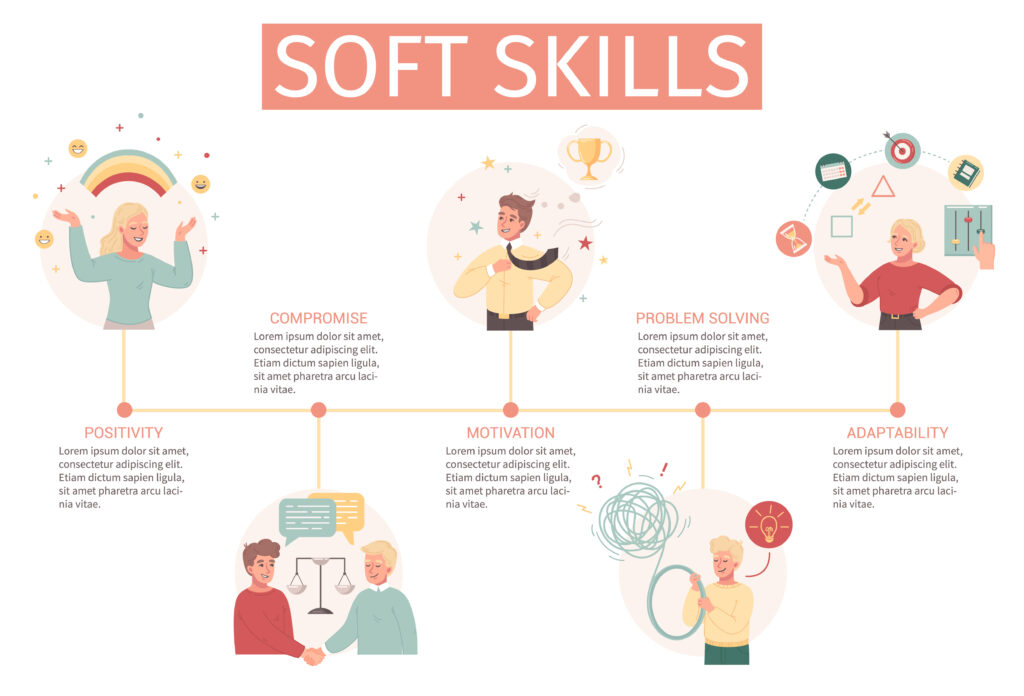
Soft skills: While technical skills are essential, soft skills are equally important. In addition, employers want workers who are creative, adaptable, and have strong communication and teamwork skills.
How to Address the Skills Gap
So addressing the skills gap requires a multifaceted approach. Here are some steps that organizations can take:
Identify your skills needs: First, organizations need to assess their current workforce and identify the skills they will need in the future. For example, you can use surveys, interviews and skills gap analysis tools.
Develop upskilling and reskilling programs: Then, once you’ve identified your skills needs, you can build programs to help employees acquire them. For instance, you can use online training, in-person workshops and mentoring programs.
Partner with educational institutions: Similarly, organizations can partner with local colleges, universities and vocational schools to develop training programs that align with their specific needs.
Promote a culture of learning: Organizations need to create a culture that values learning and development. In practice, that means encouraging employees to use training opportunities. It also means giving them time to learn and rewarding their progress.
Hire for skills, not just degrees: Organizations should move away from hiring that focuses on degrees and certifications. Instead, they should focus on the skills the job actually requires.
Ultimately, closing the skills gap is a long-term investment. However, it is essential for staying competitive. By developing their workforce early, organizations can make sure they have the talent they need to succeed.
Frequently Asked Questions
Learn more about skills in demand in our recent blog post:
Future of Jobs Report 2023: Top Skills in Demand for 2025